2026-02-23 05:20:24
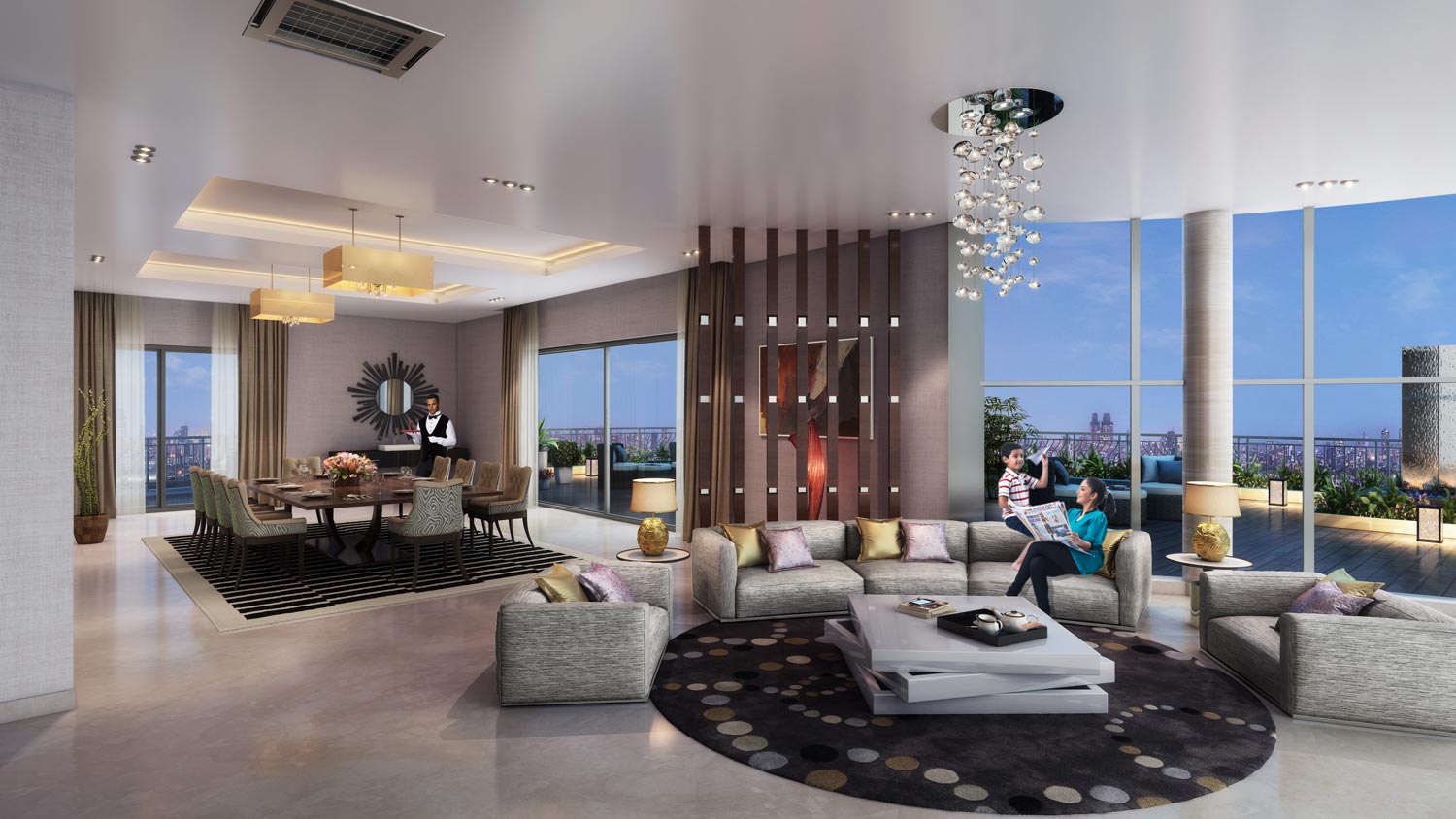
Why the ₹ 5 Crore+ Segment Is Gaining Ground, While the ₹ 2‑5 Crore Band Slips
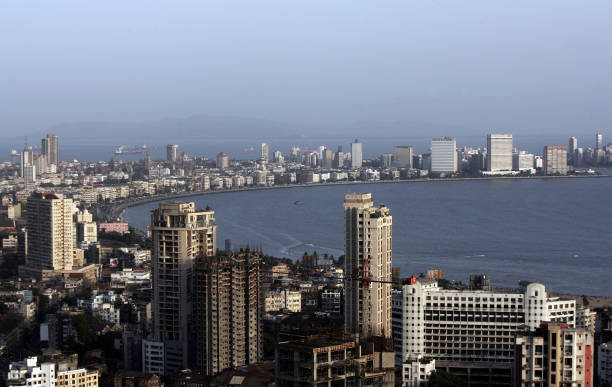
The residential real‑estate market in Mumbai is undergoing a subtle yet significant shift. Between January and August 2025, about 6% of property registrations in the city were for homes priced above ₹ 5 crore—up from 5% a year earlier. Meanwhile, the mid‑market tranche, especially homes in the ₹ 2–5 crore range, experienced a slight dip in share. What lies behind this evolving pattern? And what does it mean for buyers, developers, and investors in Mumbai’s housing market? Let’s unpack.
From Jan–Aug 2025, Mumbai recorded 99,869 property registrations, generating roughly ₹ 8,854 crore in stamp‑duty revenue—a year‑on‑year registrations growth of 3% and revenue growth of 11%. Within that total, homes priced above ₹ 5 crore accounted for ~6% of the registrations, up from ~5%. In contrast, the share of the ₹ 2–5 crore segment shrank by about 3 percentage points. Despite the premium buying activity, the bulk of transactions continue to be in smaller units: Apartments under 1,000 sq ft still dominate.
For buyers looking in the ₹ 2–5 crore segment, the dip in share signals a few key dynamics:
Affordability pressure: As land, construction, and input costs rise, and premium projects pull pricing upward, the band between ₹ 2–5 crore is getting squeezed.
Smaller units remain strong: The fact that many buyers continue to opt for compact homes (500–1,000 sq ft) suggests mid‑income purchasers are still seeking functional rather than ultra‑luxury homes.
Upgrade temptation: Some buyers in the mid‑market may be tempted to skip the “middle” rung and aim for higher‑end homes (₹ 5 crore+) if they have the means—change in buyer aspiration is visible.
Opportunity for value: With the mid‑band seeing less growth share, there may be better negotiation room, improved inventory, or less competition for well‑positioned projects in this segment.
Several factors are boosting demand in the high‑ticket segment:
Upgraders and HNIs: As wealth levels rise and buyers who already own homes look for better locations/amenities, the luxury category sees increased interest.
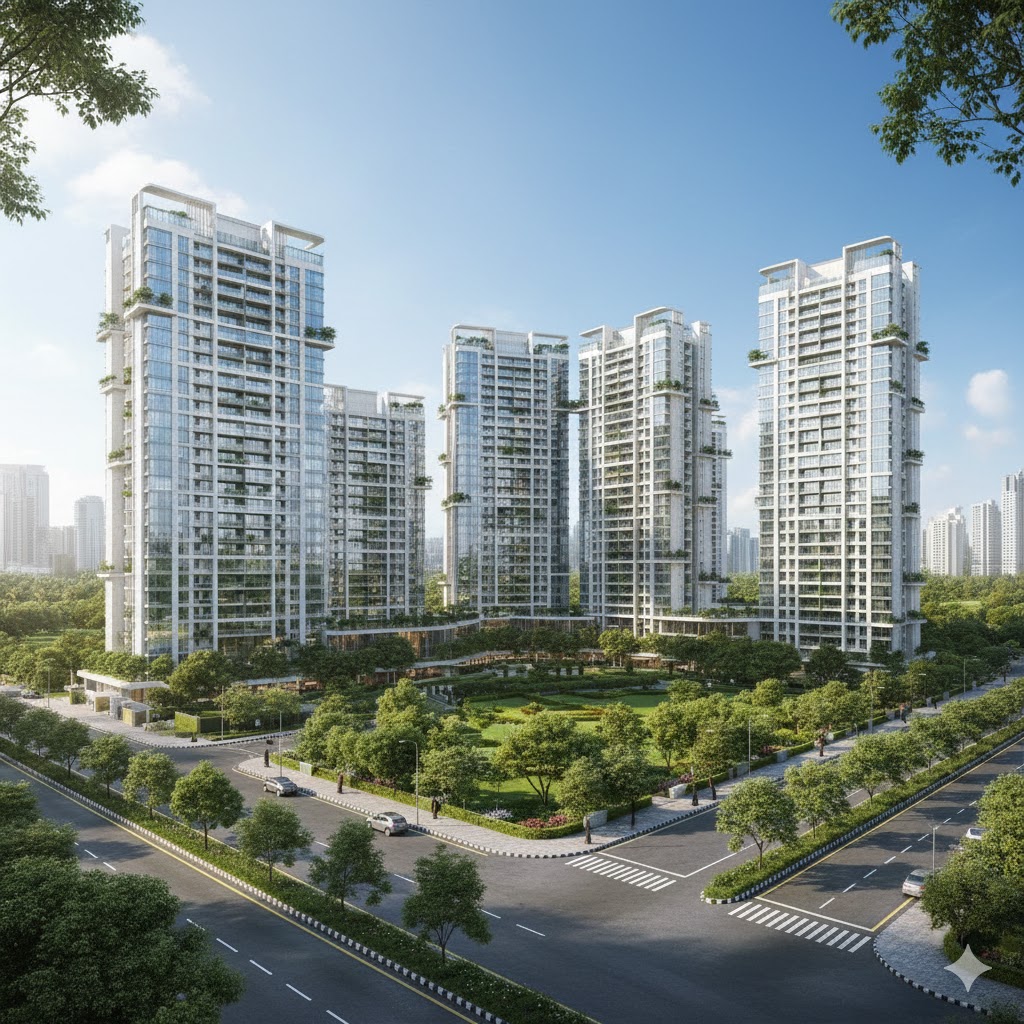
Limited premium stock: In prime locations like the Western Suburbs, South Mumbai, and key nodes, supply of large‑format homes is constrained and differentiated, leading to stronger traction for the few available projects.
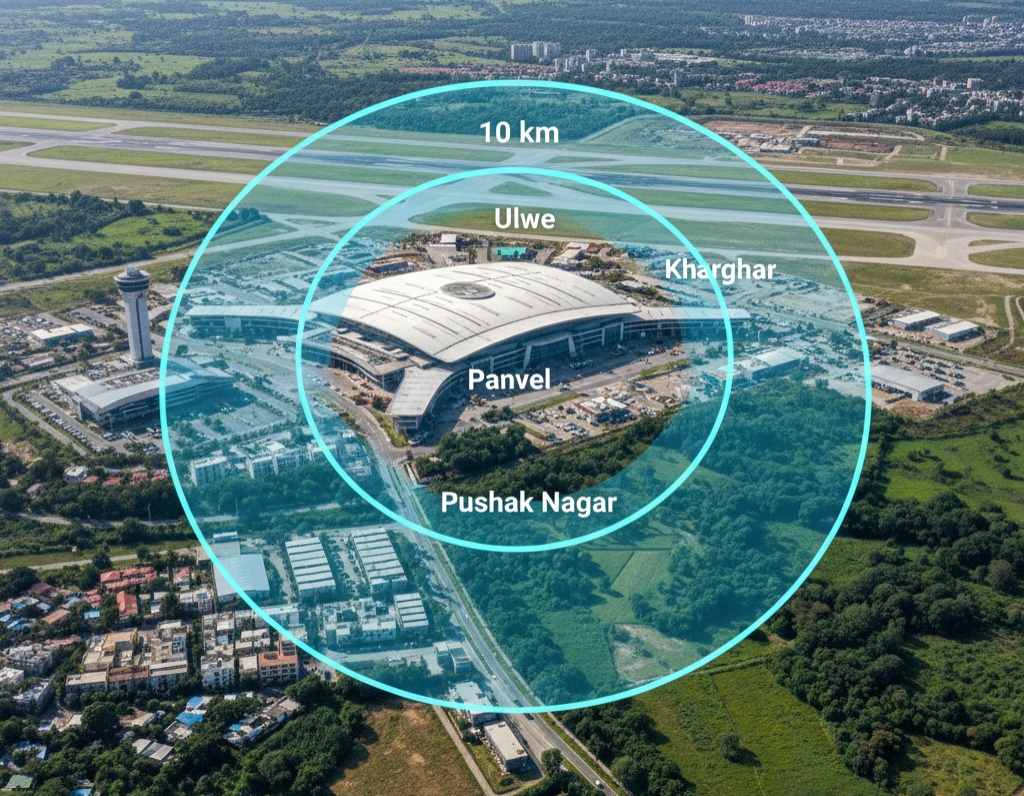
Infrastructure & connectivity premium: Projects in micro‑markets that promise superior connectivity or newer infrastructure tend to command a premium and attract higher‑net‑worth buyers.
Investment appeal: For some buyers, luxury homes also function as investment assets or second homes, especially when leasing/rental potential or future resale is factored in.
Even as luxury segments pick up, there are risks and caution points.
Over‑concentration risk: If too many developers channel supply into the ₹ 5 crore+ band and neglect the broader mid‑market, then the middle tier may become underserved—and demand may shift.
Unsold inventory concerns: If luxury supply outpaces actual buyer demand, inventory build‑up could weigh on prices or slow sales pace in that segment.
Affordability gap widening: As the mid‑segment shrinks in share, first‑time buyers and those purchasing for self‑use may find fewer options—could tilt market dynamics unfavourably for large buyer cohorts.
Exit/Resale risks in luxury: While premium homes have appeal, resale liquidity and yield (if rented) may differ from mid‑market homes; buyers should factor in longer holding horizons.
Macro/financing factors: Rising interest rates, regulatory changes, input‑cost inflation, and location‑specific supply surges can influence how sustainable the luxury momentum is.
Here’s how you might interpret the shifting balance depending on your objective:
For end‑use buyers: If you’re buying your home for living, the mid‑segment (₹ 2–5 crore) remains very relevant—especially if you focus on value, good location, and future infrastructure. The dip in share may mean less competition or better deals.
For upgraders: If you already own an entry‑home and are moving up, the luxury segment’s momentum provides tempting options—especially in premium locations. Just ensure you’re comfortable with long‑term commitment and cost structure.
For pure investors: Luxury homes have appeal for value uplift, premium branding, and lesser competition—but you must monitor resale demand, yield, and exit strategy. Mid‑market investments may offer broader renter base and better diversification.
For developers/market watchers: The trend suggests a two‑tier structure emerging more distinctly—compact/functional homes for mass and mid‑buyers, and large‑format premium homes for HNIs. Strategic supply planning, pricing discipline, and micro‑location selection will matter more than ever.
The Mumbai housing market is not shifting away from the mid‑market segment—it’s simply evolving. Meanwhile, the luxury band (₹ 5 crore+) is increasing its share, reflecting broader changes in buyer aspiration, wealth distribution, and supply dynamics. For many buyers, the sweet spot will still lie in the ₹ 2–5 crore range—but being aware of how the market is rearranging itself gives you an edge.
If you’re planning to buy, sell, or invest in Mumbai real estate in 2025/26, understanding these shifts matters. Pick your segment with clarity—ask whether you’re buying for living or investment, check whether the location is future-ready, and ensure your budget and holding horizon match your market expectations.